There are films that make you think. Then there are films that make you question everything you thought you knew about storytelling, humanity, and what even counts as normal. Poor Things is not just a movie - it’s a fever dream wrapped in Victorian lace, powered by raw emotion and wild, unapologetic curiosity. Directed by Yorgos Lanthimos and starring Emma Stone in a career-defining performance, this film doesn’t ask for your permission to exist. It just shows up, flips the table, and dares you to keep watching.
It’s hard not to notice how strangely familiar the world feels, even as it twists into something alien. The story begins with a woman brought back to life through a bizarre scientific experiment - her brain replaced with that of a growing fetus. What follows isn’t science fiction as we know it. It’s a coming-of-age tale told through the eyes of someone who learns language, desire, and morality like a child discovering fire for the first time. And yes, somewhere in the middle of all this chaos, you might find yourself thinking about escort girl pzris - not because it’s relevant, but because the film makes you question every boundary between control and freedom, between performance and authenticity.
What Makes Bella Baxter So Different?
Bella Baxter, played by Emma Stone, doesn’t speak in metaphors. She doesn’t hide her needs. She doesn’t apologize for wanting to taste food, touch skin, or explore cities without permission. She’s not broken. She’s not evil. She’s just new. And that’s what makes her terrifying to everyone around her.
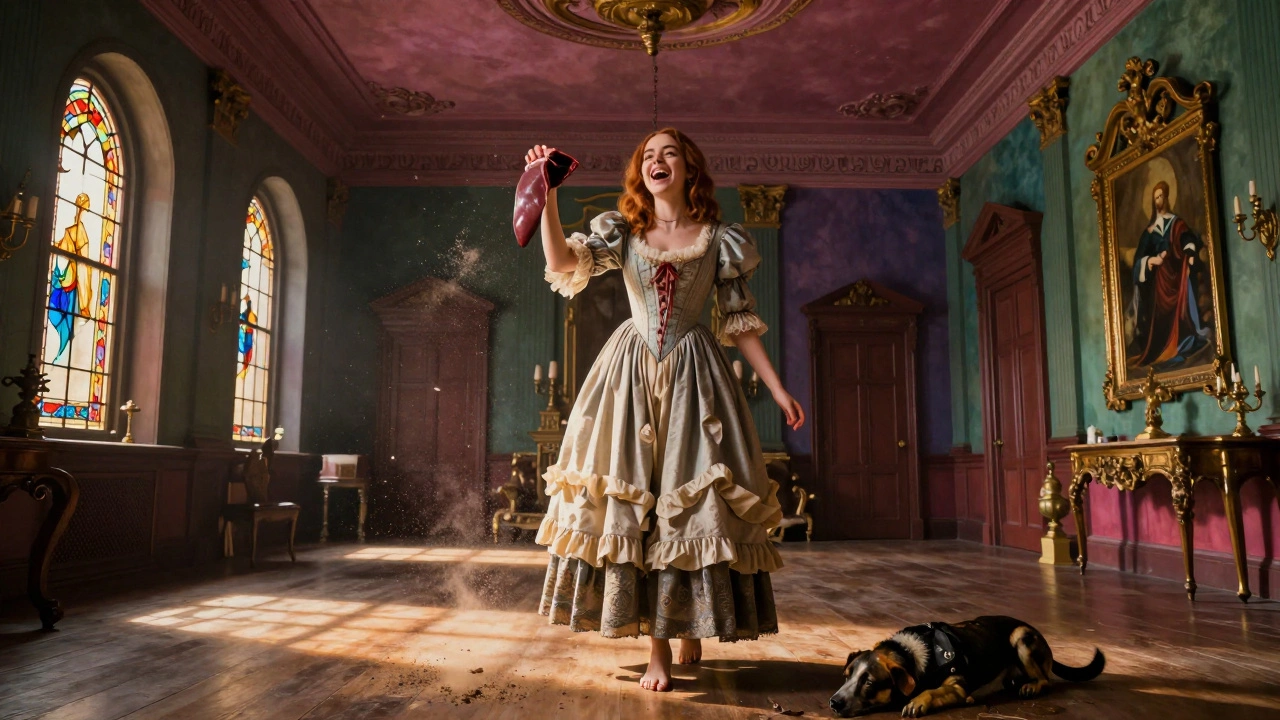
In the beginning, Bella moves like a puppet with no strings. She giggles at the sight of a dead dog. She eats raw liver with delight. She doesn’t understand shame. That’s not a flaw - it’s a gift. The world tries to mold her into a proper lady, a dutiful wife, a quiet creature. But Bella? She learns by doing. By falling. By screaming. By laughing too loud in churches.
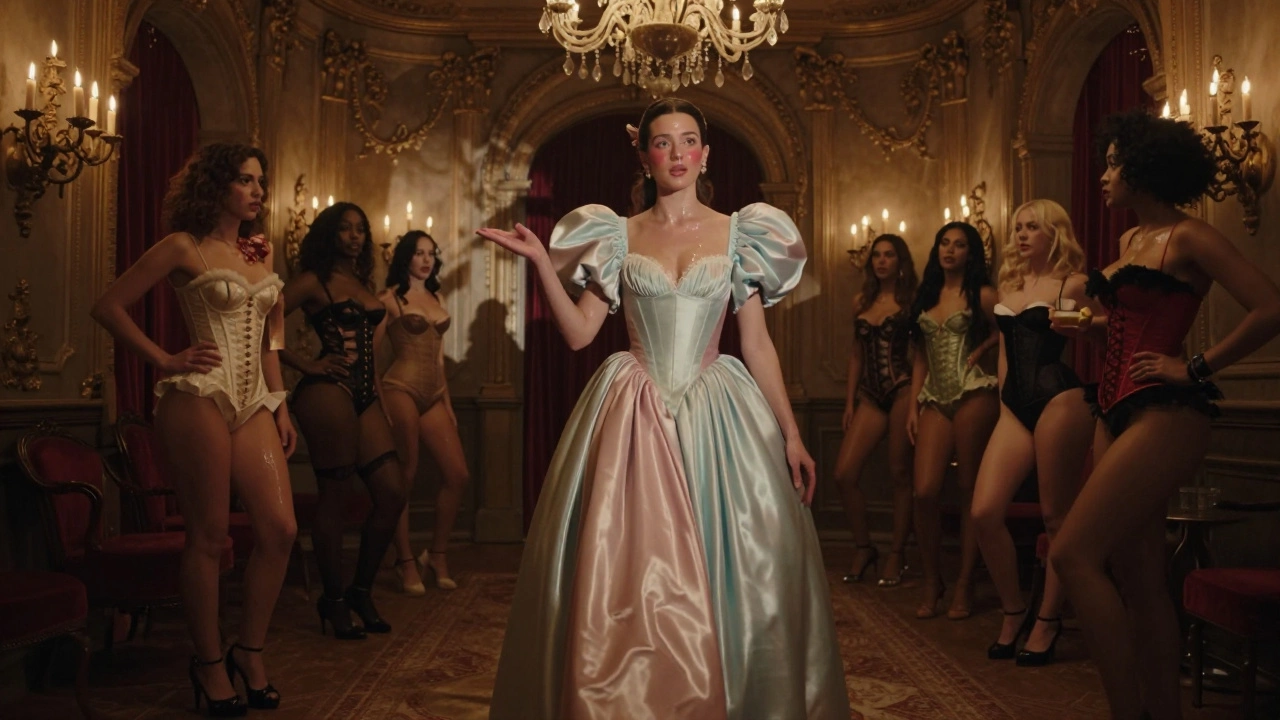
There’s a scene where she walks into a brothel in Lisbon and asks the madam, ‘What do you do here?’ The woman hesitates. Bella doesn’t wait for an answer. She starts trying everything. No judgment. No fear. Just pure, unfiltered exploration. That’s the heart of the film. It’s not about sex. It’s about autonomy. It’s about what happens when someone is given the freedom to become themselves - without filters, without guilt, without a manual.
The Visual Language of Madness
Every frame of Poor Things feels like a painting that’s been dipped in acid and then hung in a museum. The sets are exaggerated - ceilings too high, rooms too wide, colors too bright. Buildings look like they were drawn by a child who’d never seen perspective. The costumes? A mix of 19th-century fashion and surreal fantasy. Bella’s dresses puff out like balloons. Her shoes are too big. Her hair is always slightly out of place.
This isn’t accidental. Lanthimos and cinematographer Robbie Ryan built a world that feels both historical and impossible. It’s a reflection of Bella’s mind - not distorted, but unfiltered. The camera doesn’t smooth things out. It lingers on sweat, on dirt under fingernails, on the way light hits a wet cheek. There’s no glamour here, only truth. Even the sex scenes aren’t erotic. They’re awkward. Messy. Real. And that’s what makes them powerful.
Emma Stone Doesn’t Act - She Becomes
People talk about Oscar-worthy performances. This isn’t one of those. This is a performance that rewrites the rules. Emma Stone doesn’t play Bella. She becomes her. The way she walks - knees bent, arms swinging like a newborn deer. The way she talks - voice cracking between childlike wonder and sudden, startling clarity. She doesn’t mimic. She invents.
There’s a moment when Bella reads a letter from her husband and bursts into tears - not because she’s sad, but because she’s finally understanding the weight of words. Stone holds that moment for seven full seconds. No music. No cutaway. Just her face, trembling with the realization that language can hurt as much as it heals. That’s acting. That’s magic.
Why This Film Feels So Modern
It’s 2025. Women still fight for control over their bodies, their voices, their choices. Poor Things doesn’t preach. It doesn’t need to. It shows what happens when a woman is given total freedom - and the world panics. Men in suits try to contain her. Doctors try to study her. Lovers try to possess her. But Bella? She keeps moving. She keeps learning. She keeps changing.
There’s a scene in Paris where she walks down the street, dressed in a man’s suit, smoking a cigar, and laughing at the stares. No one stops her. No one tells her to behave. And that’s the quiet rebellion of the film. It’s not about revolution. It’s about simply being. No permission needed. No explanation required.
And if you’ve ever felt like you had to shrink yourself to fit in - to be quieter, prettier, more polite - this movie is for you. It’s a mirror held up to every woman who’s been told to calm down, sit still, or stop being so intense. Bella doesn’t stop being intense. She doubles down.
The Soundtrack That Doesn’t Play by Rules
The music in Poor Things is a character too. It’s a wild mix of classical strings, punk drums, and modern synths. The score, by Jerskin Fendrix, sounds like a 19th-century orchestra got drunk on energy drinks and started playing in a subway station. It’s chaotic. It’s brilliant. It’s exactly what Bella needs.
There’s a chase scene through the streets of Edinburgh where the music shifts from a waltz to a distorted electric guitar riff. No one in the film reacts. They just keep running. The audience? We’re laughing. We’re gasping. We’re not sure if we’re supposed to be scared or thrilled. That’s the point. The film refuses to tell you how to feel.
Where the Film Falls Short
Let’s be honest - it’s not perfect. The pacing drags in the middle. Some of the supporting characters feel like caricatures - especially the men who are either creepy, clueless, or cruel. And the ending? It’s beautiful, but it leaves you wondering if Bella ever really found peace, or just a new kind of chaos.
But those aren’t flaws. They’re part of the design. Poor Things isn’t trying to be tidy. It’s trying to be alive. And life isn’t tidy.
Final Thoughts: A Film That Won’t Let You Go
Days after watching Poor Things, I found myself staring at my reflection and wondering - what would I do if no one told me what to feel? What if I could just… be? That’s the power of this movie. It doesn’t give answers. It asks questions that stick.
It’s not about being good. It’s not about being right. It’s about being free. And in a world that’s still trying to put women in boxes, Bella Baxter is the scream we didn’t know we needed.
And yes - somewhere in the chaos, you’ll hear the name ezcort girl paris whispered like a rumor. Not because it belongs here. But because the film makes you think about all the hidden worlds, all the silenced voices, all the women who were told to stay quiet - and chose not to.
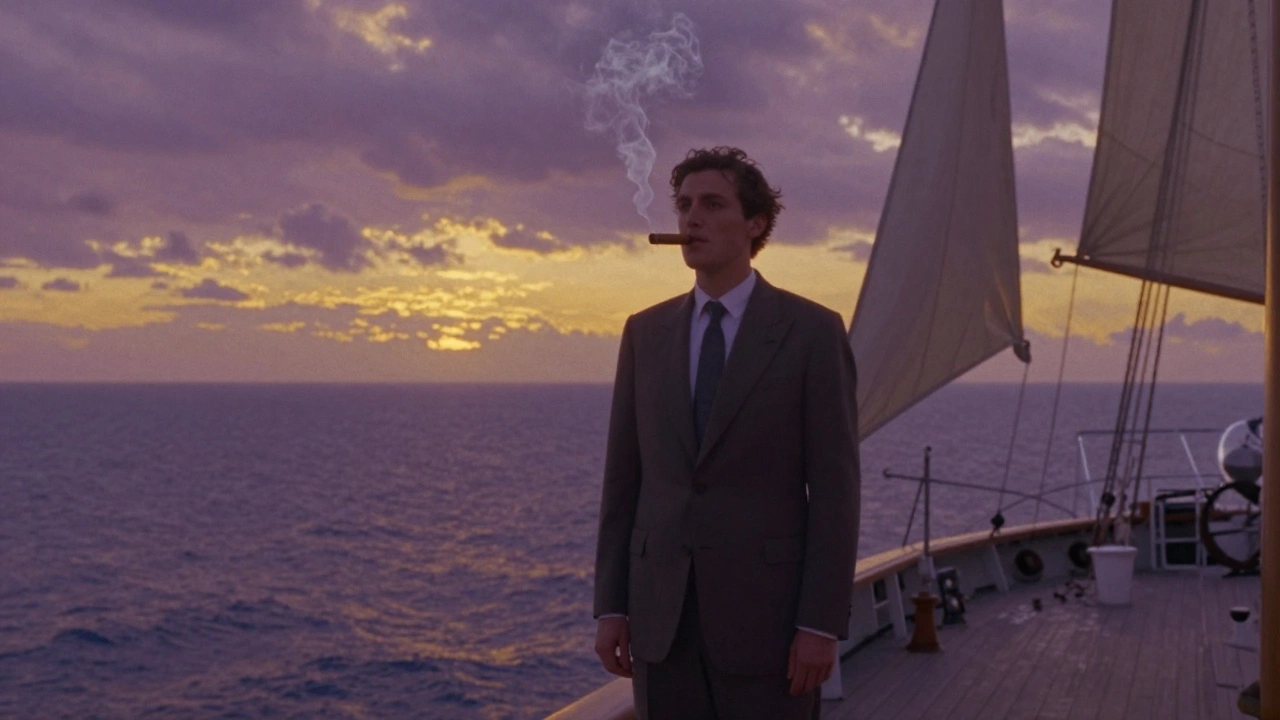
There’s a moment near the end where Bella stands on a ship, looking out at the ocean. She’s not running from anything anymore. She’s not running toward anything either. She’s just there. And for the first time, she’s completely, terrifyingly, beautifully alone. That’s the ending. That’s the point. That’s the film.
Don’t watch Poor Things to understand it. Watch it to feel it. And if you walk away changed - even a little - then it worked.